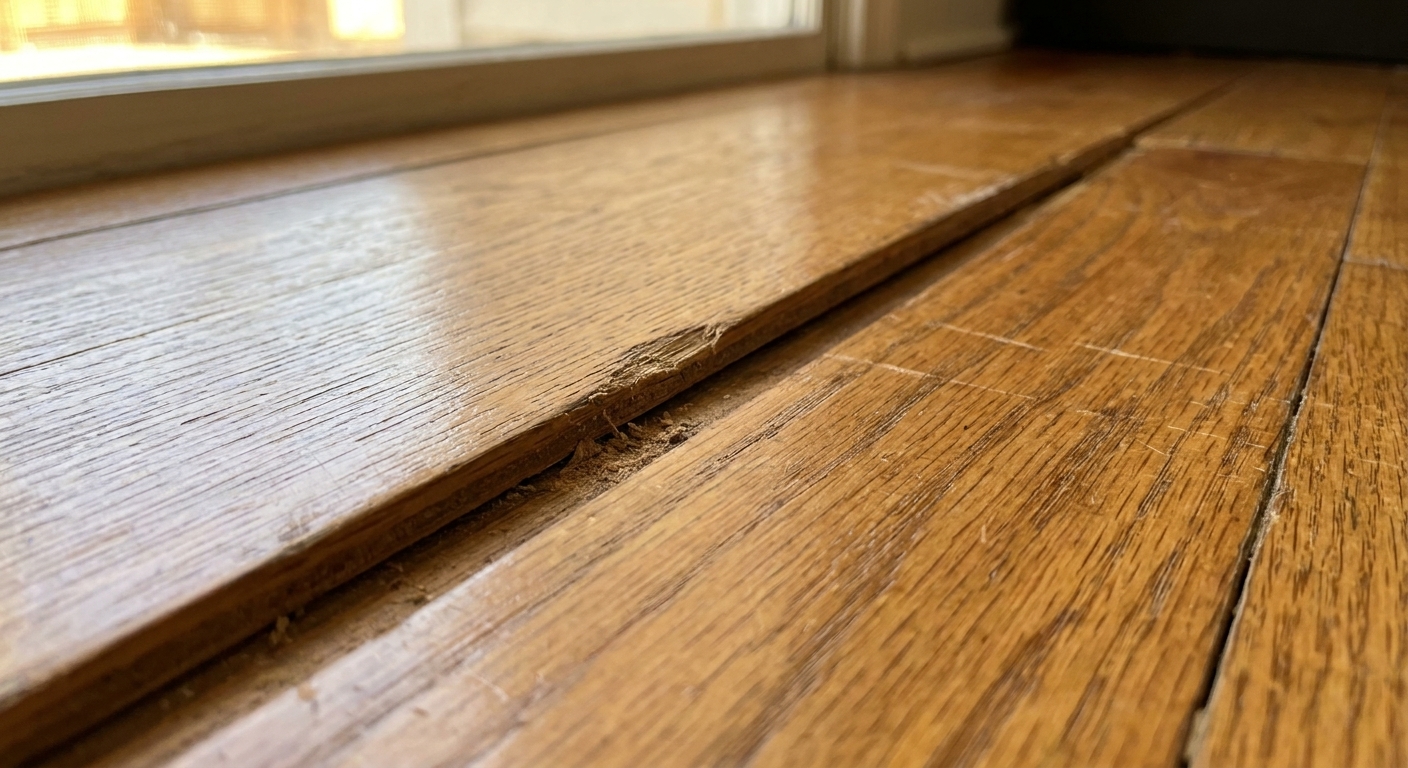
Track down the squeak and fix it using powder, shims, blocking, and safe fastening methods from above or below the floor.
home improvement and DIY
Laminate vs. Engineered Hardwood for Living Rooms

Marcus Hayes
Marcus Hayes is a lifelong DIY enthusiast and former residential carpenter who has spent the last decade renovating his 1970s fixer-upper. Through Tinksmith, he shares his hands-on experience to help fellow homeowners tackle repairs, choose the right tools, and build spaces they love without breaking the bank.
Published October 17, 2026
Updated October 17, 2026
If your living room floor has seen one too many decades of shag carpet, mystery stains, or that “why is it squeaking there” corner, you are in good company. When I renovated my own 1970s fixer-upper, flooring decisions felt weirdly high stakes because the living room is where everything happens: muddy shoes, movie nights, furniture rearranging, and the occasional “we can totally fit that couch” moment.
Two of the most popular options for a living-room refresh are laminate and engineered hardwood. They can look surprisingly similar from a few feet away, but they behave differently under real-life use, and they install a little differently too. Let’s break it down like a neighbor leaning over the fence, coffee in hand.

Quick definitions
Laminate flooring
Laminate is a multi-layer product with a tough wear layer on top and a photo-realistic “wood look” layer underneath. Most modern laminate uses a click-lock floating installation over an underlayment, though a few products use other systems.
Engineered hardwood
Engineered hardwood is real wood on top, usually a veneer of hardwood, bonded over a stable core. That core is often layered plywood, but some products use high-density fiberboard (HDF) or similar fiber cores. You get genuine wood grain and texture, with better dimensional stability than solid hardwood.
Quick shopping note: If you are comparing engineered options side by side, ask what the core is. Plywood-core products are often favored for fastener hold and long-term stability, while fiber-core options can be a good value but vary more by brand and spec.
Cost
Prices swing based on brand, thickness, wear layer, and what is going on under your existing floor. For planning purposes, here are realistic ranges you will see in big-box stores and online listings as of 2026. Local availability and product grade can move these up or down.
Material costs (typical ranges)
- Laminate: about $1 to $4 per sq. ft. for most decent options, with premium products sometimes higher.
- Engineered hardwood: about $3 to $10+ per sq. ft. depending on species (oak vs. hickory vs. walnut), veneer thickness, and finish quality.
Installed cost (what changes the math)
Labor, subfloor prep, and trim can narrow or widen the gap. Floating laminate typically installs faster and cheaper than glue-down or nail-down engineered hardwood, but a messy subfloor can make any flooring expensive in a hurry.
Other line items people forget
- Underlayment: Laminate often needs it unless it has an attached pad. Engineered may or may not, depending on install method and subfloor.
- Moisture barrier: Often required over concrete slabs for either product.
- Trim and transitions: T-moldings, reducers, stair nosing, and base shoe add up fast.
- Subfloor prep: Leveling compound, patching, sanding high spots, or replacing damaged subfloor sections.
Budget reality check: If your goal is the biggest visual change per dollar, laminate usually wins. If you want “real wood” and are willing to spend more, engineered hardwood is the typical step-up choice.
Durability
Scratch and dent resistance
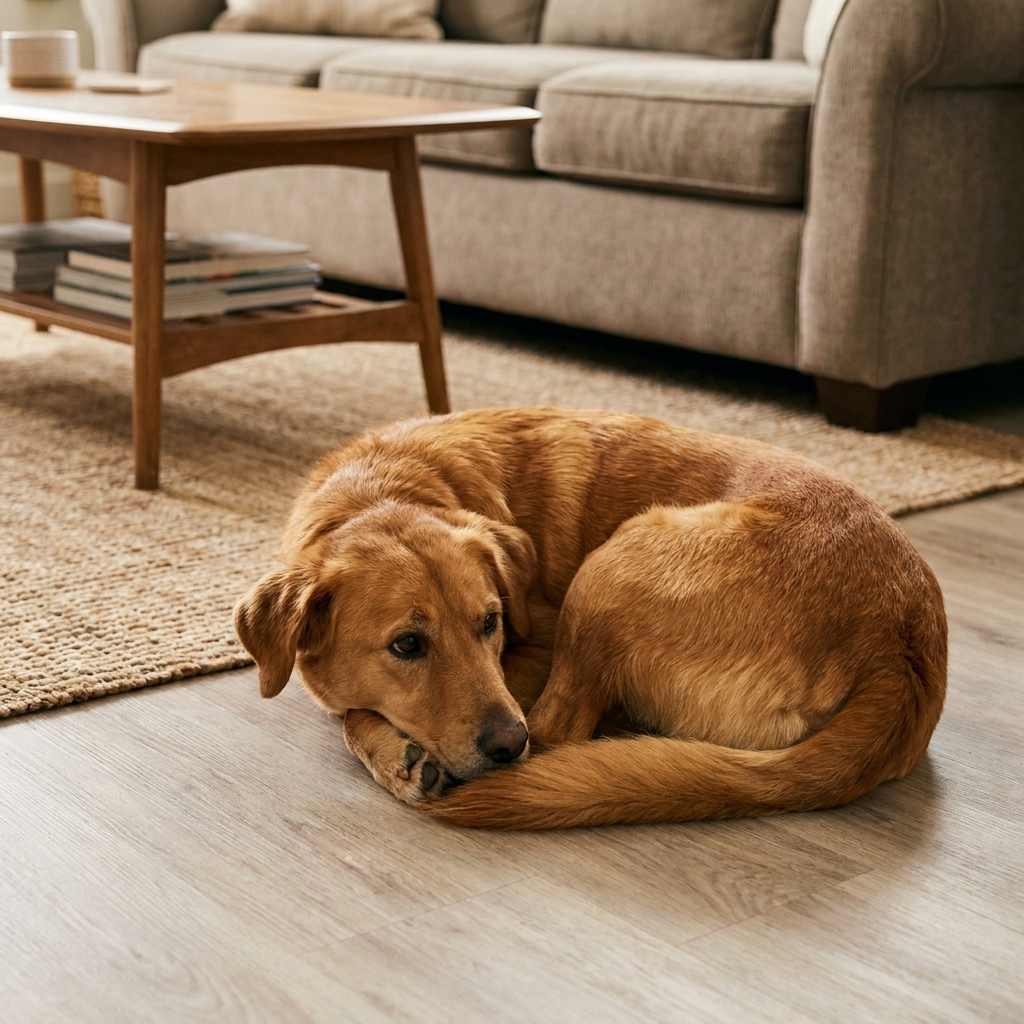
Laminate tends to be very scratch resistant because of its hard wear layer. It is a solid pick if you have energetic dogs, kids who treat the living room like a racetrack, or you just know a chair will get dragged instead of lifted.
That said, laminate can still chip at edges and it is not the kind of floor you can spot-sand or blend the way you sometimes can with wood. When it is damaged, the fix is usually plank replacement.
Engineered hardwood is real wood at the surface, so it can scratch and dent like wood. Some factory finishes are tough, but claws, grit, and high heels still win eventually. The upside is that some engineered floors can be repaired or refinished, depending on the wear layer.
Water and spills
This is where a lot of living-room decisions get made, especially if your living room connects directly to a kitchen or a frequently used exterior door.
- Laminate: Traditional laminate is not a fan of standing water. Newer “water resistant” and “waterproof” laminates can buy you time, but those claims usually refer to top-down spills for a stated window, not flooding, wet mopping, or days of moisture at the seams.
- Engineered hardwood: More stable than solid hardwood, but still wood. It tolerates normal spills if you wipe them up promptly, but sustained moisture can cause cupping, edge swelling, or finish issues.
Rule of thumb: For a living room, either can work. If you regularly deal with wet boots, dripping umbrellas, or pets that treat the water bowl like a splash pad, lean toward a product with strong moisture performance and be serious about entry mats and quick cleanup.
Sunlight and fading
Engineered hardwood can change color over time, especially certain species, and rugs can leave “tan lines.” Laminate is usually more color stable, but it depends on the brand and wear layer quality.
Look and feel
Authenticity
Engineered hardwood wins the authenticity contest because it is actual wood on top. You get natural grain variation, depth, and a feel that is hard to fake.
Laminate has come a long way. Good laminate can look excellent, especially in wider planks and matte finishes. Up close, though, engineered hardwood still tends to read more “real,” especially in texture and edge details.
Sound and comfort
Both can be comfortable, but installation choices matter.
- Laminate: Can sound hollow if the subfloor is uneven or the underlayment is cheap. A quality pad and a flat subfloor make a huge difference.
- Engineered hardwood: Can feel more solid, especially if it is glued down or nailed to a wood subfloor. Floating engineered can still have some “tap” to it.
If you hate echo, plan on area rugs, curtains, and possibly a better underlayment. Your ears will thank you.
DIY installation
As someone who has installed a lot of floors and now lives in the land of “I can do it Saturday,” here is the honest take: laminate is usually the friendlier first flooring project, but engineered hardwood is absolutely DIY-able if you pick the right install method.
Laminate installation basics
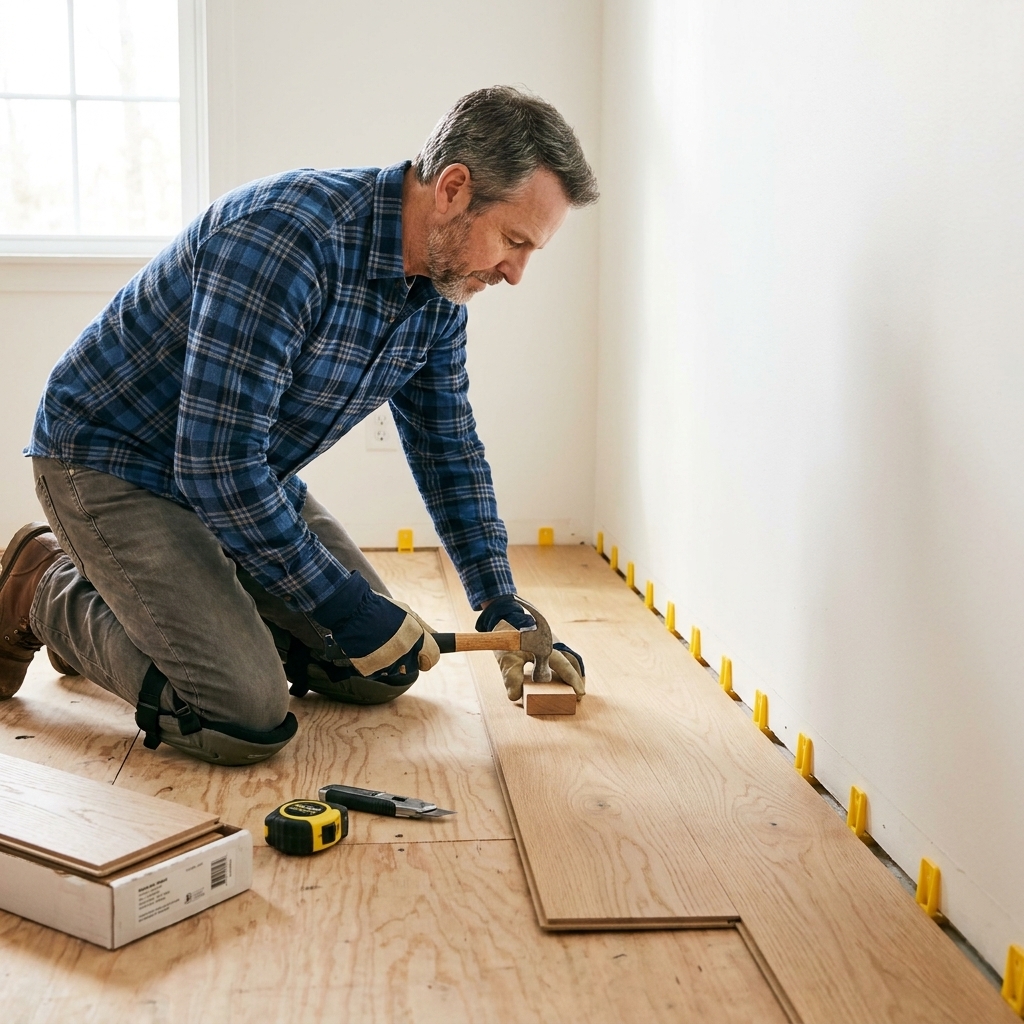
- Most common method: Floating click-lock
- Tools you will likely need: utility knife (underlayment), tape measure, spacers, tapping block, pull bar, jigsaw or miter saw, and a way to cut planks cleanly
- DIY difficulty: Low to moderate
Laminate’s big DIY advantage: it is forgiving and fast. The click system is designed for installation without glue or nails.
Engineered hardwood installation options
Engineered hardwood gives you choices, and your subfloor often decides for you:
- Floating click-lock: Some engineered products float like laminate. DIY-friendly, similar workflow.
- Glue-down: Common over concrete slabs. Very stable and quieter, but messier and less forgiving. You need the right adhesive and trowel size, plus manufacturer-approved products if you want the warranty to hold.
- Nail or staple-down: Common over plywood/OSB subfloors. Requires a flooring nailer or stapler and a compressor, plus some practice.
DIY difficulty: Moderate for floating, moderate to high for glue-down or nail-down.
Subfloor and prep
I have yet to meet a floor that looks great on a lumpy subfloor. Prep is not glamorous, but it is the difference between “wow” and “why does it bounce there.”
Flatness matters
Check your subfloor with a long straightedge. Always follow your specific manufacturer, but common specs are around 3/16 inch over 10 feet or 1/8 inch over 6 feet. If you ignore this, click-lock joints can separate or feel spongy, and that is a living-room problem you will notice daily.
Concrete slab vs. wood subfloor
- Concrete slab: Plan on a moisture test and a vapor barrier or moisture mitigation system if required. Glue-down engineered is common here, but only if the adhesive and moisture plan match the manufacturer requirements.
- Wood subfloor: You have the most options. Floating, nail-down, or glue-down depending on the product.
Acclimation
Engineered hardwood often needs acclimation in the space so humidity and temperature changes do not surprise it later. Laminate is typically less sensitive, but you should still follow the product instructions.
Maintenance and long-term value
Cleaning
- Laminate: Dry dusting and damp mopping with a laminate-safe cleaner. Avoid soaking it.
- Engineered hardwood: Sweep often, use a hardwood-approved cleaner, and keep water minimal.
Repairs and refinishing
This is a big divider, especially if you are thinking long-term ownership.
- Laminate: Not refinishable. Small damage typically means replacing a plank, which is easiest if you have leftover boxes from the original install.
- Engineered hardwood: Sometimes refinishable. It depends on the thickness of the top veneer. As a rough guide, a 2 to 4 mm wear layer is more likely to handle a light sanding than a super-thin veneer, but you should still confirm the manufacturer guidance.
Resale and perception
Engineered hardwood generally reads as a premium material to buyers because it is real wood. High-quality laminate can still look great, but it does not carry the same “wood floor” status in most markets.
Shopping specs that matter
Laminate wear ratings
If you see an AC rating (abrasion class), it can help you compare durability within laminate lines. In simple terms, a higher AC rating usually means a tougher wear layer for traffic and scuffs, though brand quality still matters.
Engineered wear layer thickness
If refinishing potential is part of your decision, ask specifically for wear layer thickness in millimeters and whether sanding is allowed under warranty.
Indoor air quality
If you are sensitive to smells or trying to keep indoor air as clean as possible, look for third-party certifications and low-VOC disclosures. Certifications you might see include FloorScore or GREENGUARD. Also, give any new floor a little time and ventilation after installation, especially if you are using adhesives.
Radiant heat
Many laminate and engineered hardwood floors can work over radiant heat, but the details matter. Manufacturers may set limits on maximum surface temperature, require gradual temperature changes, or restrict certain underlayments and install methods. If radiant heat is in your plan, confirm compatibility before you buy.
Which one is best for your living room?
Choose laminate if...
- You want the best value per square foot.
- You need high scratch resistance for pets or heavy traffic.
- You want a straightforward DIY install with fewer specialized tools.
- You are okay replacing it rather than refinishing later.
Choose engineered hardwood if...
- You want real wood character and a higher-end feel.
- You are aiming for long-term value and classic appeal.
- You may want the option to refinish, depending on wear layer.
- You are comfortable with a more involved install, or you plan to hire out installation.
My practical picks
1) Busy family living room with a dog and a direct entry door
I lean laminate here, especially a quality, water-resistant line from a brand with clear spill-time specs. Pair it with a real entry mat setup and felt pads on furniture. Your future self will be glad.
2) Formal living room, lower traffic, you want that “real wood” wow
Engineered hardwood all day. The depth and variation are worth it in a room that is meant to feel finished and intentional.
3) Open concept space that flows into a kitchen
This is a toss-up. If you cook a lot and spills are common, a moisture-tough laminate can be a stress reducer. If you are committed to wood, pick engineered with a strong factory finish, control humidity, and wipe spills fast.
DIY checklist
- Measure the room and add 10% waste for straight-lay installs, 15%+ for diagonal or complex layouts.
- Confirm your subfloor type (plywood/OSB vs. concrete) and pick an installation method that matches it.
- Check floor height changes at doorways and adjacent rooms so you do not end up with tripping hazards.
- Plan transitions and make sure the product has matching pieces available.
- Read the warranty details on wear layer, water resistance, and what cleaners are allowed.
- If you are on a slab, confirm the approved vapor barrier and, if gluing down, the approved adhesive.
- Buy or borrow the right cutting tools. Clean cuts are half the “pro look.”
FAQ
Is laminate cheaper than engineered hardwood?
Almost always, yes. Laminate generally costs less per square foot, and installation can be cheaper too because it is typically a faster floating click-lock job.
Does engineered hardwood scratch easily?
It can scratch like any real wood floor, but a tough factory finish helps. Use felt pads, keep grit off the floor, and trim pet nails if you want it looking sharp.
Can I put either one over existing flooring?
Sometimes. Floating floors can go over certain existing hard surfaces if they are flat and stable, but you should never float over something soft or unstable like thick vinyl cushioning or multiple layers that flex. When in doubt, remove down to a solid subfloor. It is more work upfront, but it prevents headaches later.
What is the most DIY-friendly choice?
For most homeowners, laminate is the easiest path to a great-looking result. If you want engineered hardwood and still want DIY-friendly, look for a click-lock floating engineered product.