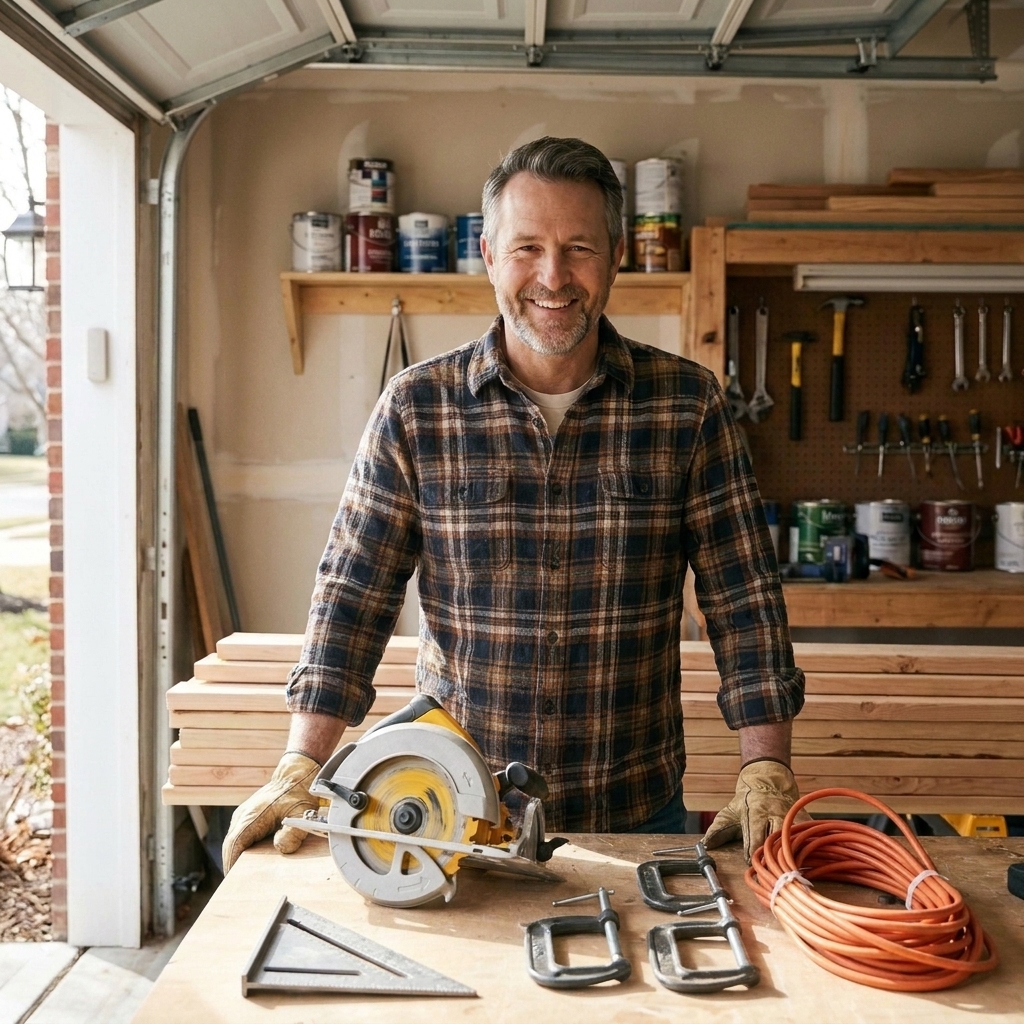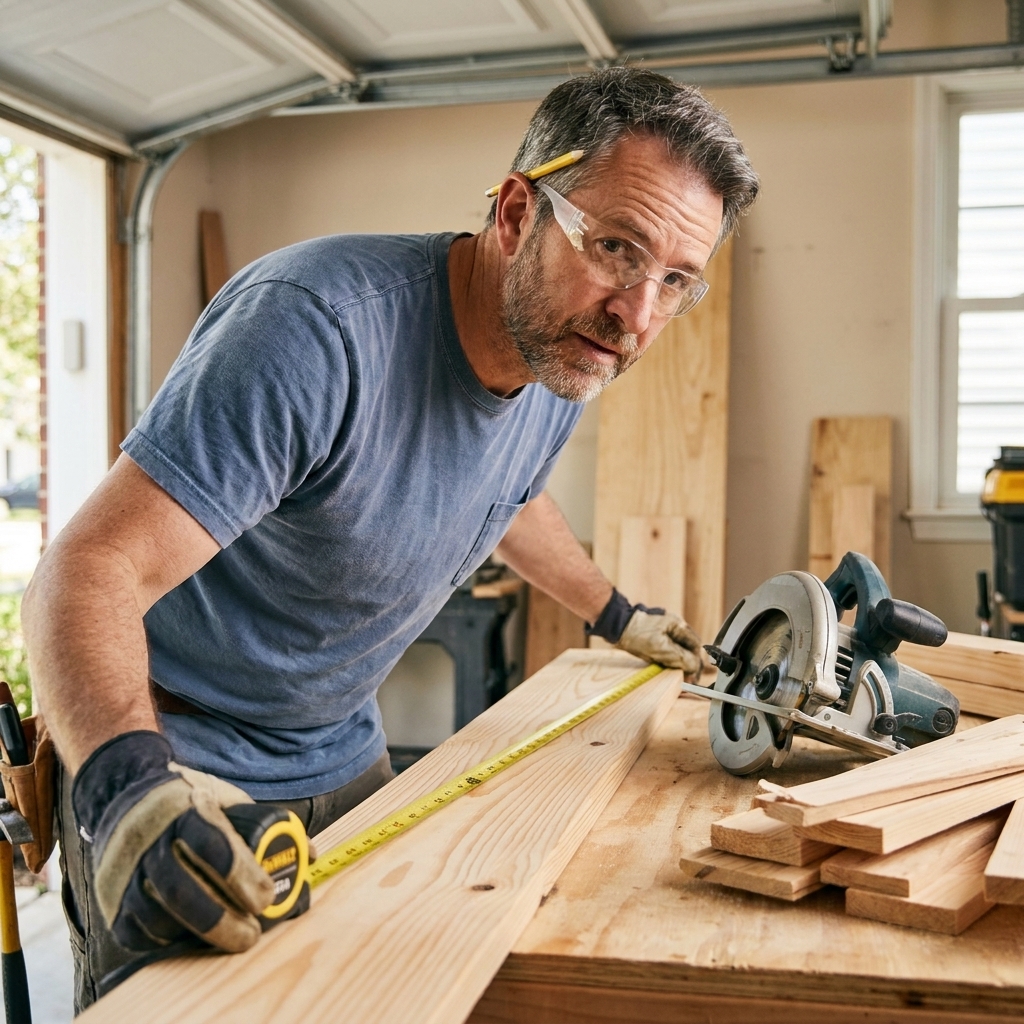
A practical list of easy builds that look great and teach real skills, including shelves, a shoe rack, a planter, a blanket ladder, and an entryway bench.
home improvement and DIY
About Marcus Hayes

Marcus Hayes
Marcus Hayes is a lifelong DIY enthusiast and former residential carpenter who has spent the last decade renovating his 1970s fixer-upper. Through Tinksmith, he shares his hands-on experience to help fellow homeowners tackle repairs, choose the right tools, and build spaces they love without breaking the bank.
Published October 17, 2026
Updated October 17, 2026
Hey there, welcome to Tinksmith. I’m Marcus Hayes, and if you’ve ever stood in the hardware aisle holding two different boxes of screws like they’re a bomb you’re supposed to defuse, you’re in good company.
I’m a lifelong DIY enthusiast, a former residential carpenter, and for the last decade I’ve been renovating our 1970s fixer-upper one weekend at a time. Sometimes it’s been triumphant. Sometimes it’s been “why is the wall wet” levels of educational. Either way, I’ve learned this much: most home projects are not magic. They’re just a bunch of small, understandable steps done in the right order with the right tools and a little patience.

How I got into this
I grew up fetching wrenches and holding flashlights for my dad in a dusty garage. You know the drill: he’s under the hood, I’m trying to aim the light, and somehow it’s always pointed exactly where he isn’t looking. That garage taught me two important things early on: how to use tools safely, and how to laugh when something doesn’t go to plan.
After a few years working in residential carpentry, I shifted gears into full-time homeowner mode. My wife and I bought an outdated house that had “character” in the way a raccoon has “personality.” Old trim, tired floors, questionable plumbing choices, and enough patch jobs to qualify as modern art.
Renovating it taught me what the glossy home shows skip over: the budget realities, the learning curves, and the value of doing a job right the first time. Or at least trying, because “measure twice, cut once” is still some of the cheapest advice you’ll ever get.
Why Tinksmith exists
I started Tinksmith because the home improvement world can make simple things feel complicated. Sometimes it’s jargon. Sometimes it’s assumptions. And sometimes it’s just folks forgetting what it felt like to be new.
Here’s my belief, plain and simple: you can take care of your home. You do not need a contractor for every squeak, drip, crack, or crooked door. You need solid information, a realistic plan, and the confidence to take the first step.
That’s what Tinksmith is here for.
- Clear, bite-sized steps that assume you’re smart, not experienced.
- Tools and materials that make sense, including budget picks and when it’s worth paying for quality.
- Safety-first guidance, because “it’ll probably be fine” is not a strategy.
- Honest expectations, including what’s DIY-friendly and what’s better left to a pro.
What you’ll find here
Tinksmith covers the kind of real-life projects that show up in real-life houses. The goal is to help you solve problems, not just admire them from afar.
Repairs and upgrades
From patching drywall and fixing door hardware to installing shelves that actually stay on the wall, I focus on approachable wins that build your skills over time.
Carpentry and trim
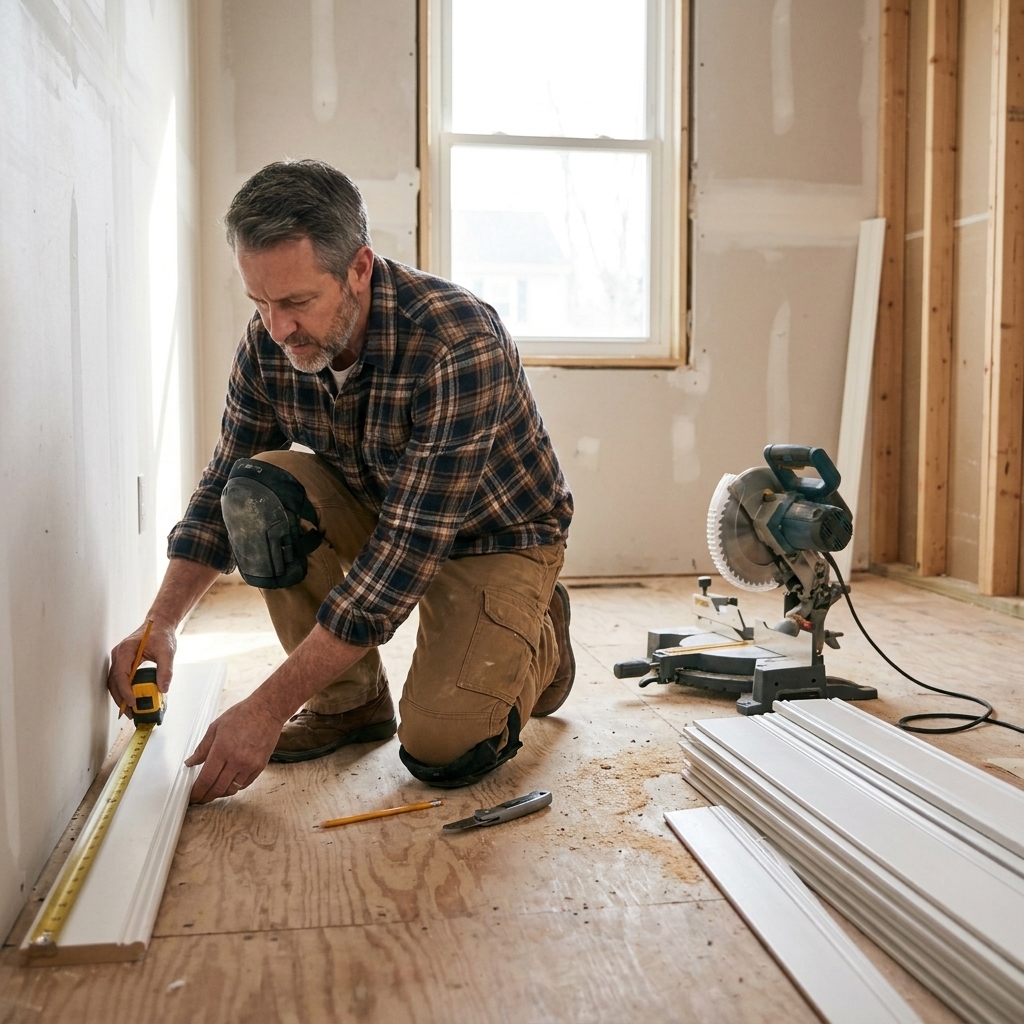
Carpentry is where I’m most at home. If you want straighter cuts, tighter joints, cleaner trim lines, or a built-in that looks like it belongs there, you’re in the right place.
Tools and maintenance
A well-tuned tool is often a safer tool, when it’s used correctly and with the right guards and protective gear. I write a lot about keeping power tools running smoothly, choosing blades and bits, and getting better results without buying every gadget under the sun.
Plumbing basics
I’m not here to turn your bathroom into a flooded swimming pool. When we cover plumbing, it’s the practical homeowner stuff: leaks, traps, fixtures, shutoff valves, and when to call in backup.
My promise to you
I’m meticulous about details because details are what keep projects from turning into expensive lessons. You can expect content that is:
- Practical: no fluff, no mystery steps.
- Budget-aware: I’ll tell you where to save and where not to.
- Honest: if a project is annoying, fiddly, or likely to test your patience, I’ll say so.
- Encouraging: because everyone starts somewhere, and the first attempt is rarely perfect.
I’ll also be clear about boundaries. I’m not a licensed electrician, and I’m not here to give you code-defying advice. When a job calls for permits, inspections, or a licensed pro, I’ll tell you.
Also, I sprinkle in the occasional dad joke. Consider it a free add-on with every tutorial. No receipts, no returns.
Start here
If you’re brand new to DIY, start with small projects that teach big skills: tightening hardware, sealing gaps, patching a small drywall ding, hanging a shelf, or learning your home’s shutoff valves. Confidence comes from reps, not from bravado.
If you’ve got a specific problem in your house right now, whether it’s a rattle, a drip, or a door that won’t close, use Tinksmith like you’d use a good neighbor: look up the fix, grab your tools, and let’s take it one step at a time.
Welcome to Tinksmith. I’m glad you’re here. Now go drink some water before you start the project. Future you will thank you.