
A step-by-step deck refresh you can do in a weekend: nozzle choice, stripping old stain, safe pressure washing, drying, and sealing for a clean, protected fi...
home improvement and DIY
Composite vs. Wood Decking: Cost and Maintenance

Marcus Hayes
Marcus Hayes is a lifelong DIY enthusiast and former residential carpenter who has spent the last decade renovating his 1970s fixer-upper. Through Tinksmith, he shares his hands-on experience to help fellow homeowners tackle repairs, choose the right tools, and build spaces they love without breaking the bank.
Published October 17, 2026
Updated October 17, 2026
If you have ever stood in the decking aisle staring at boards like they are judging you, welcome to the club. The short version is this: wood usually wins on upfront price and easy repairs, while composite usually wins on ongoing maintenance and long-term “I would rather be grilling than staining” vibes.
But the details matter. A deck is not a throw pillow. Once it is bolted to your house, you are married to it. Below is the practical, homeowner-first comparison I wish someone had handed me before my first deck rebuild.

Quick verdict: which should you choose?
- Choose pressure-treated wood if you want the lowest upfront cost, you are comfortable with yearly or every-few-years upkeep, and you like the idea of being able to swap a board easily.
- Choose cedar or redwood if you love the natural look, you are okay paying more than pressure-treated, and you can commit to regular cleaning and re-coating.
- Choose composite if you want low maintenance, more consistent looks over time, fewer splinters, and you plan to stay in the home long enough to benefit from the longer service life.
- Choose PVC (a premium “composite-adjacent” option) if you want the most stain and moisture resistance and do not mind paying top dollar.
Upfront cost: materials and installation
Deck pricing varies wildly by region, deck height, railing choices, stairs, and how complicated your frame is. For budgeting, you can use these ballpark installed price ranges as a starting point for a standard residential deck (roughly 200 to 400 sq. ft.), including framing, decking, and basic railing.
Reality check: these are rough 2025 to 2026 U.S. budgeting ranges, not a quote. Labor rates, lumber prices, and railing choices can swing totals fast.
Typical installed cost per sq. ft. (budgeting ranges)
- Pressure-treated pine decking: about $25 to $45 per sq. ft. installed
- Cedar or redwood decking: about $35 to $60+ per sq. ft. installed
- Composite decking (capped composite): about $40 to $70+ per sq. ft. installed
- PVC decking: about $50 to $80+ per sq. ft. installed
DIY note: If you are building the deck yourself, material cost becomes the big number. Composite boards cost more per linear foot, and hidden fasteners, specialty screws, and matching fascia can add up fast.
What drives the price difference?
- Decking boards: composite and PVC boards often cost about 2 to 3 times more than basic pressure-treated boards, and premium lines can be higher depending on lumber pricing and product tier.
- Fasteners: composites often look best with hidden fasteners or color-matched screws.
- Framing requirements: composites are heavier and can feel bouncier if the frame is underbuilt. Some installs also call for tighter joist spacing.
- Railings: railing systems can cost as much as the deck surface. Composite railing is often a bigger premium than composite decking itself.

Long-term cost: maintenance, repairs, and replacement
Upfront cost is only half the story. The other half is what your deck asks of you every year, and what it costs when something inevitably goes wrong.
Wood maintenance costs (realistic expectations)
Wood decks need protection from sun and water. That usually means cleaning and then re-staining or re-sealing on a schedule that matches your climate and sun exposure.
- Cleaning: 1 to 2 times per year. Cost is mostly your time, plus cleaner and a brush or pressure washer.
- Stain or seal: typically every 2 to 4 years for most semi-transparent stains, sometimes sooner in full sun or wet climates.
- New pressure-treated timing: fresh pressure-treated lumber often needs time to dry before staining. Follow your stain manufacturer’s guidance and do the splash test (if water beads, it is not ready).
- Common repairs: swapping cracked boards, fixing popped fasteners, replacing rot-prone areas, tightening railings.
If you pay someone to do it, periodic staining can become the hidden “subscription fee” of a wood deck. DIY keeps it affordable, but it does cost weekends and shoulder muscles.
Composite maintenance costs
Composite is mostly a cleaning-only relationship. You still have to wash pollen, dirt, and food spills. But you generally are not sanding or re-coating the surface.
- Cleaning: typically 1 to 2 times per year with soap and water, or a manufacturer-approved cleaner.
- Repairs: fewer surface issues, but when damage happens, boards can be more finicky to replace depending on the fastening system.
- Scratch and stain reality: composite is not indestructible. Grease, sunscreen, rust from patio furniture, and dragged planters can still leave marks if you ignore them.
Lifespan: what you can reasonably expect
- Pressure-treated wood: commonly 10 to 20 years for the decking boards with decent upkeep, sometimes longer in mild climates. Framing can last longer if built and flashed correctly.
- Cedar/redwood: often 15 to 25 years with consistent maintenance.
- Composite: often 25 to 50 years depending on product line and exposure.
Warranty note: a long warranty is not the same thing as guaranteed service life, and coverage often comes with cleaning and installation requirements.
Dad-neighbor truth: A deck usually dies from water management failures, not from the board material. Bad flashing, trapped moisture, ground contact, and poor airflow will wreck the best boards money can buy.
Maintenance head-to-head
Cleaning
- Wood: routine cleaning, plus occasional brightening. Watch pressure washer settings or you can fuzz the grain.
- Composite: routine cleaning. Use the right brush. Avoid harsh solvents unless the manufacturer approves.
Staining and sealing
- Wood: yes, plan for it.
- Composite: no, and you generally should not coat it.
Splinters and checking
- Wood: splinters happen, especially as boards age and dry. Checking and small cracks are normal.
- Composite: no splinters, but some products can still feel hot or slick depending on texture.
Mold and mildew
- Wood: more prone if shaded and damp, but cleanable.
- Composite: resists rot, but surface mold can grow on dirt and pollen film. Cleaning still matters.

DIY difficulty: building and installing
Both materials are DIY-friendly, but they behave differently. Here is what surprises first-timers.
Wood decking: forgiving and easy to repair
- Pros: easy to cut, easy to screw down, easy to replace one board later.
- Cons: boards can be wet and heavy, they can cup and twist as they dry, and fasteners can loosen over time.
Composite decking: consistent, but picky
- Pros: boards are straight and consistent, fewer knots and defects, cleaner finished look with hidden fasteners.
- Cons: you must follow the manufacturer’s spacing rules, end-to-end gapping, and fastening pattern. Getting it wrong can cause wavy lines, squeaks, or movement issues.
Joist spacing and bounce
Many manufacturers recommend 12 in. on-center joist spacing for diagonal installs or for a stiffer feel, even when 16 in. on-center is allowed for straight installs. Check the specific installation guide for your product. Tighter spacing costs more in lumber but can make the deck feel solid instead of trampoline-ish.
Hidden fasteners: clean look, slower install
Hidden fasteners are great for bare feet and aesthetics. They also slow you down compared to face-screwing wood. If this is your first deck, plan extra time.
Looks and feel: warmth vs. consistency
Wood
Wood is the real deal. It has warmth, grain, and character. It also changes color. Even with stain, the sun will slowly nudge it lighter or grayer over time.
Composite
Composite has come a long way. Modern capped boards look more natural than older plastic-looking versions. The tradeoff is that the look stays more consistent, which some folks love and others find less “alive” than wood.
Heat in the sun
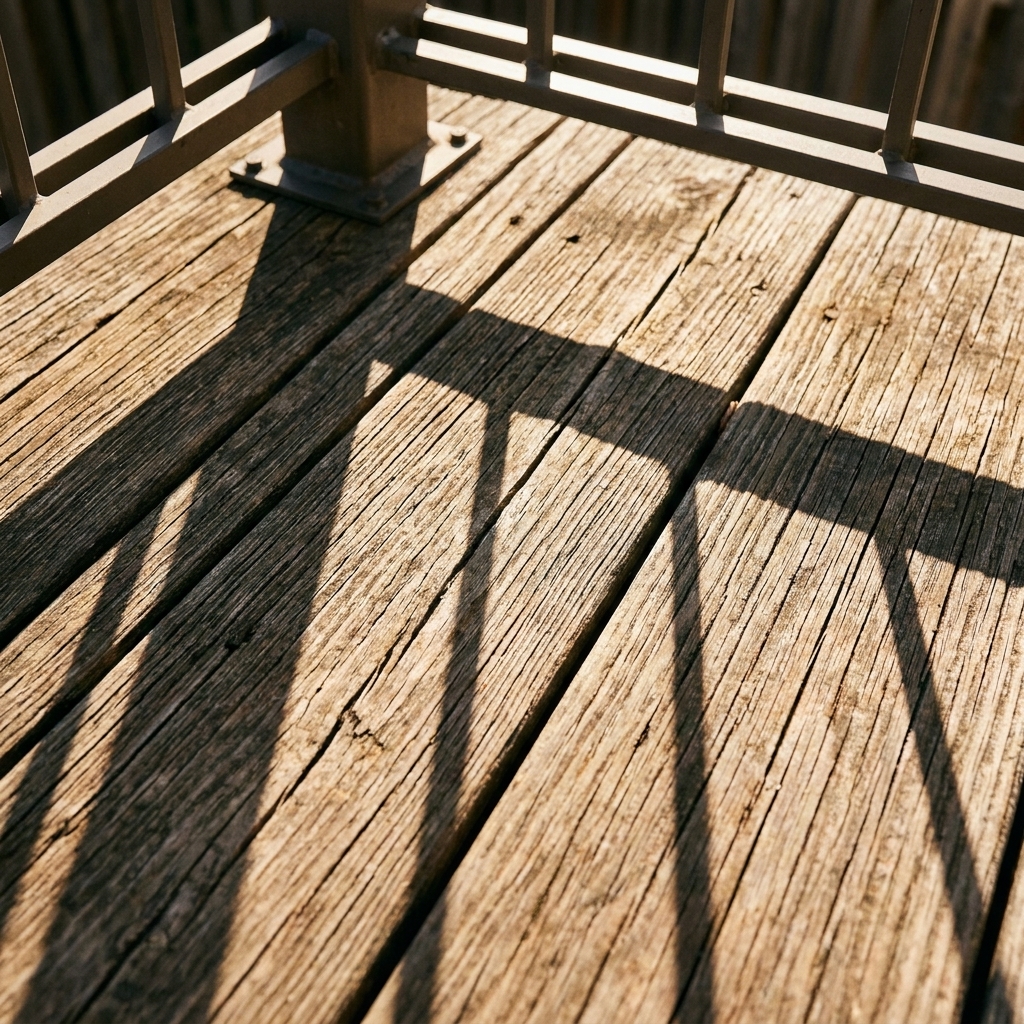
This one matters if you have kids, dogs, or a habit of walking outside barefoot like you own the place. Composite and PVC can get hotter than wood in direct sun, especially darker colors. Lighter colors help. Shade helps more. If your deck is full sun all day, pick samples and set them in the sun before you commit.
Durability and performance
Rot and insects
- Pressure-treated wood: resists rot and insects, but cuts and screw holes are still vulnerable if water sits there.
- Cedar/redwood: naturally rot-resistant, but still needs protection from constant moisture.
- Composite: will not rot like wood. Still, the wood framing underneath can rot if water management is sloppy.
Moisture movement and cracking
- Wood: expands and contracts across seasons, can split at ends, can cup.
- Composite: expands and contracts with temperature. Correct gapping and fastening is the difference between “nice deck” and “why are my miters separating.”
Stains and fading
- Wood: stains are manageable, but the finish fades and needs renewal.
- Composite: capped composites resist staining and fading much better, but not perfectly. Warranties often cover performance to a point, with exclusions for improper cleaning or harsh chemicals.
Structural safety
Deck safety is mostly about ledger attachment, flashing, posts, beams, and connectors. Material choice does not excuse a weak frame. Use rated hardware and follow local code. If you are unsure about the ledger, bring in a pro. A deck is not the place to freestyle.
Two items not to skip
- Proper ledger flashing: water must be directed away from the house rim joist, not into it.
- Rated connectors and fasteners: use hardware made for exterior structural use, and use the fasteners the connector manufacturer calls for.
Environmental considerations
This is not a simple “good” vs. “bad” checkbox.
- Wood: renewable material, but often chemically treated (pressure-treated). Responsibly sourced cedar/redwood can be a plus, but availability varies.
- Composite: often contains recycled plastics and wood fibers, which is good. Manufacturing is energy-intensive, and boards are difficult to recycle at end of life in many areas.
If sustainability is a top priority, look for products with transparent sourcing and third-party certifications, and design your deck so it drains and dries well. A deck that lasts longer is often the greener deck.
Cost examples: what a typical deck might run
Let’s put numbers to it. Imagine a 12 ft x 16 ft deck (192 sq. ft.) with a simple rectangular layout and a basic railing.
- Pressure-treated installed: roughly $4,800 to $8,600
- Composite installed: roughly $7,700 to $13,400
Now add stairs, picture-frame borders, built-in benches, multi-level design, or premium railings, and costs jump fast.
Budget tip: If you want composite but the quote makes your eye twitch, consider a hybrid approach: composite decking boards with pressure-treated framing and simple wood railings, or choose composite in a mid-tier line with a straightforward layout.
Shopping checklist
For composite
- Capped vs. uncapped: capped boards resist staining and fading much better.
- Solid vs. scalloped: scalloped (hollowed) boards can cost less and weigh less, but may feel a bit less rigid depending on the system and joist spacing.
- Traction: feel samples with wet hands and wet shoes if you can, and look for published traction claims where available.
- Warranty details: fade and stain coverage, labor coverage (often limited), and what voids it.
- Recommended joist spacing: plan framing costs accordingly.
- Matching fascia and risers: nice finish, but a common budget surprise.
For wood
- Board quality: look for straighter boards with fewer big knots, even if you have to dig a bit.
- Moisture level: very wet boards will shrink as they dry. Plan gaps accordingly.
- Fasteners: use exterior-rated screws. For cedar and redwood, choose corrosion-resistant options that play nice with tannins.
- Finish plan: decide stain color and product before you build, especially if you want to coat all sides.
A quick word on tropical hardwoods
Yes, woods like ipe and cumaru exist. They are gorgeous and tough, but they are a different cost tier and still have maintenance if you want to keep the rich color (otherwise they weather to gray). For most homeowners, the real decision is pressure-treated vs. cedar/redwood vs. composite.
Common mistakes (and how to avoid them)
1) Underbuilding the frame
Composite is heavier, and it telegraphs bounce more than wood. If your deck feels springy now, it will not magically improve after you install fancy boards.
2) Ignoring water management at the ledger
Flashing is not optional. Proper flashing, approved ledger fasteners, and a clean drainage path are what keep your house rim joist from turning into compost.
3) Choosing a dark composite color in full sun
Looks great on the sample rack. Less great on bare feet in July.
4) Assuming “low maintenance” means “no maintenance”
Both decks need cleaning. Composite just lets you skip the sanding and staining part.
FAQ
Is composite decking worth the money?
It can be, especially if you value low maintenance, plan to stay in the home for years, and would rather not re-stain on a schedule. If you enjoy maintaining wood or you need the lowest upfront cost, wood can be the smarter buy.
Can you put composite decking on existing wood framing?
Sometimes, yes. The framing must be structurally sound, properly spaced for the composite you chose, and flashed correctly at the house. If the frame is old, undersized, or questionable, do not throw good money after bad. Rebuilding the frame is often the right call.
Which is better around pools?
Composite and PVC are popular around pools because they resist rot and do not splinter. Traction varies by brand and surface texture, so bring home samples and test how they feel when wet. Also plan for heat if the pool area gets full sun.
What is the cheapest decking that still lasts?
Pressure-treated lumber is typically the cheapest material that can still deliver solid lifespan, provided you build it correctly and maintain it. The hidden cost is time spent staining and repairing over the years.
Does composite decking attract mold?
Composite does not rot like wood, but mold can grow on the surface if dirt and pollen sit in damp shade. Regular cleaning prevents most issues.
My practical rule of thumb
If you are building your first deck and budget is tight, a well-built pressure-treated deck is a perfectly respectable move. Spend your “upgrade money” on better framing, better flashing, and better fasteners. Those are the parts you cannot easily swap later.
If you have the budget and you want weekends back, go composite, choose a lighter color for sunny yards, and follow the installation instructions like they are grandma’s pie recipe. You can improvise on cookies. Not on decks.
Either way, build it solid, keep water moving, and your future self will thank you every time you step outside with a cup of coffee and do not immediately find a new project waiting.